
These are general guidelines for starting MOST 3-13hp regular (4 stroke) GAS engines in our rental line.
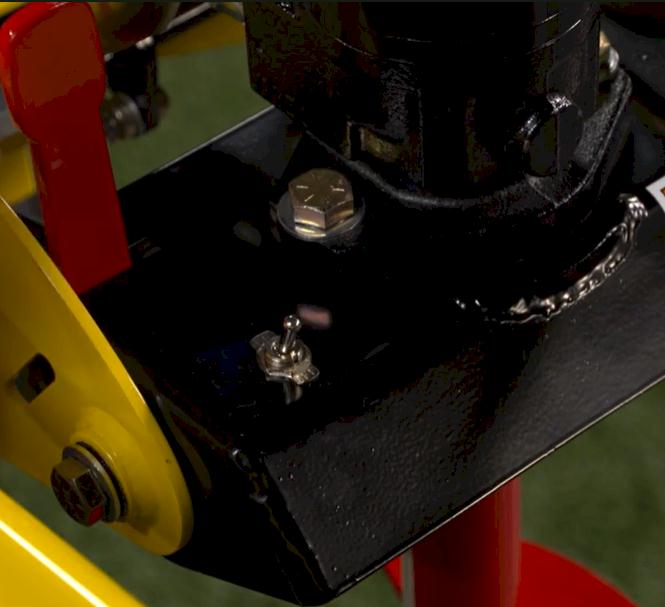
Be aware that particular items MAY have an additional on/off switch on the machine itself as well as the ones shown here.
If the engine on your unit is different than what you see below, or if you have any additional questions don’t hesitate to give us a call, and we’ll be happy to you help walk you through anything.
Step 1
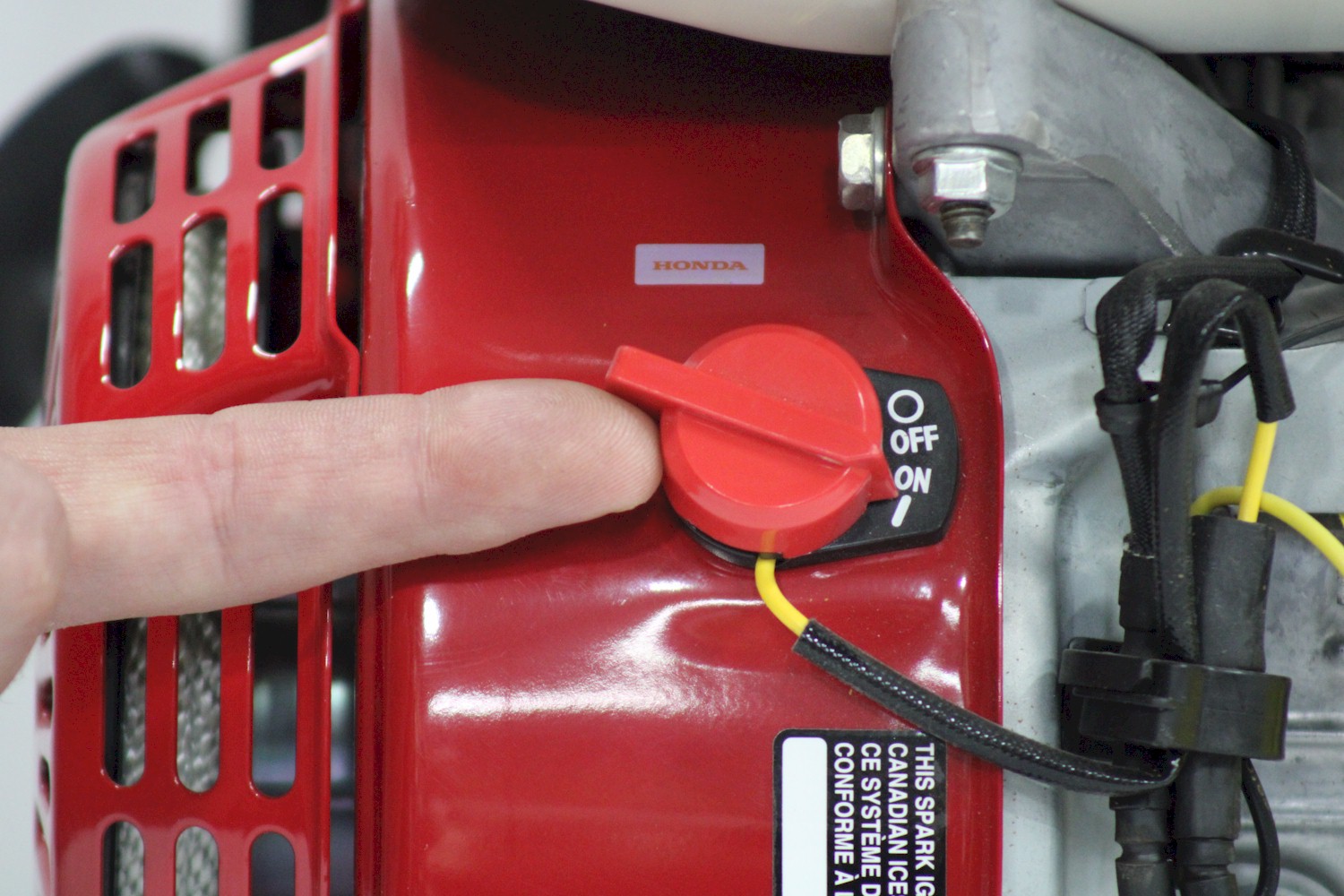 |
Turn On/Off switch to ON Position
I know this sounds ridiculous, but hey it needs saying. |
Step 2
|
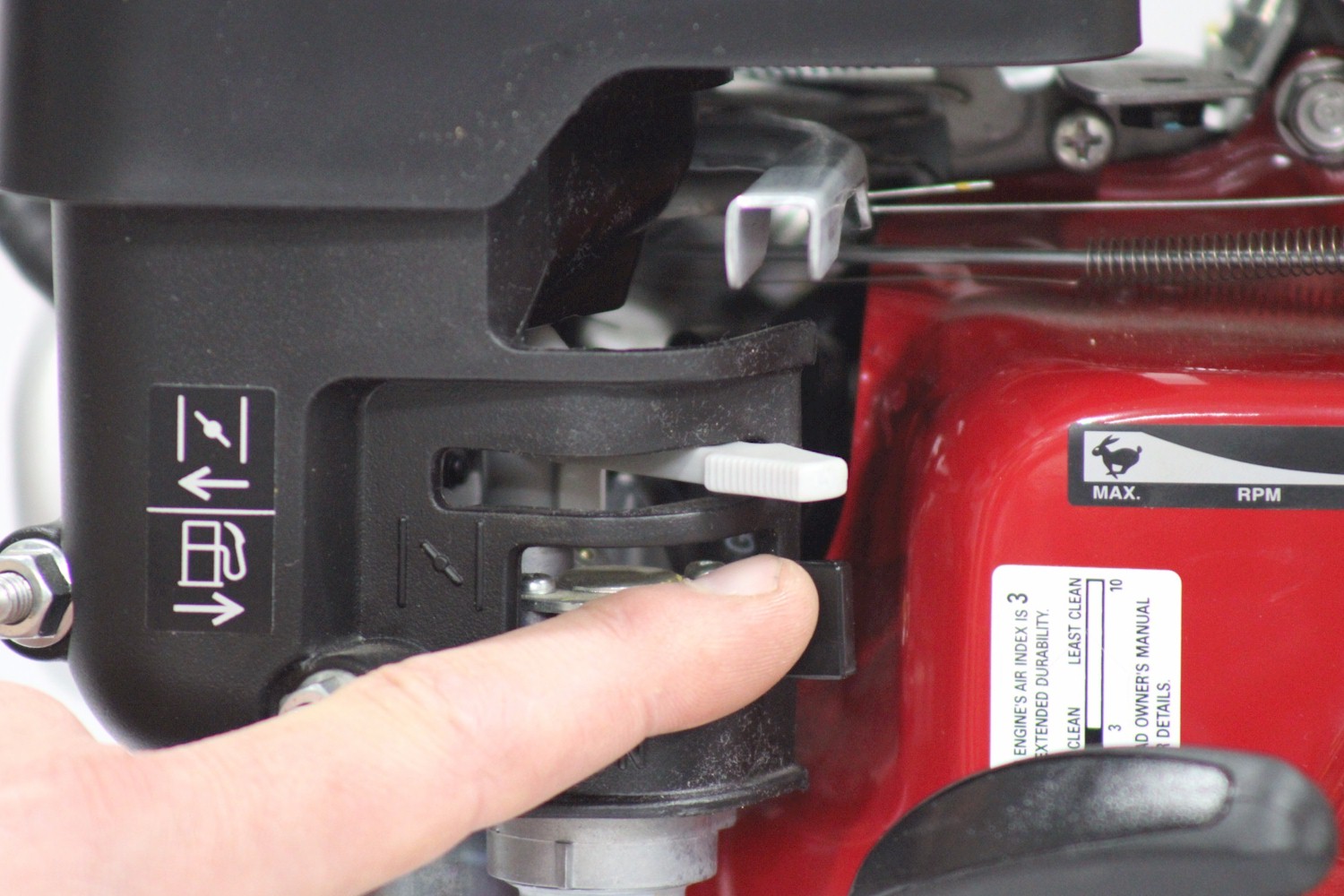
Turn Fuel to on position Of the 3 Control Levers on the face of the engine this is going to be the bottom one On Honda style engines that means fuel lever need to be pushed all the way to the right of the engine On Robin style engines that means lever is straight up and down We honestly can’t figure out why no engine manufacturer can find a way to label this function clearly but they can’t. Getting this mixed up is a common problem so don’t feel bad if it happens to you. |
|
|
|
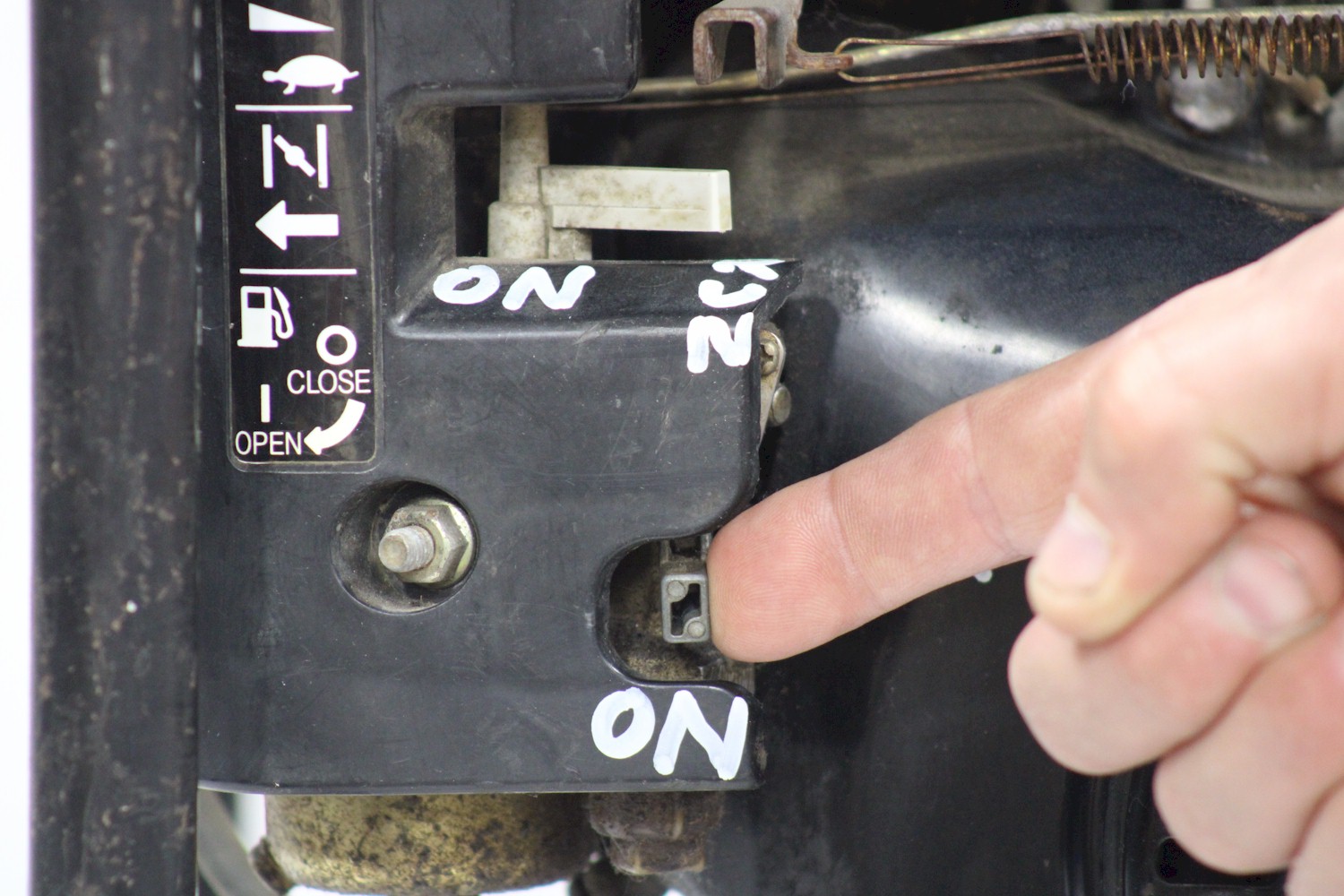 Robin Robin |
Step 3
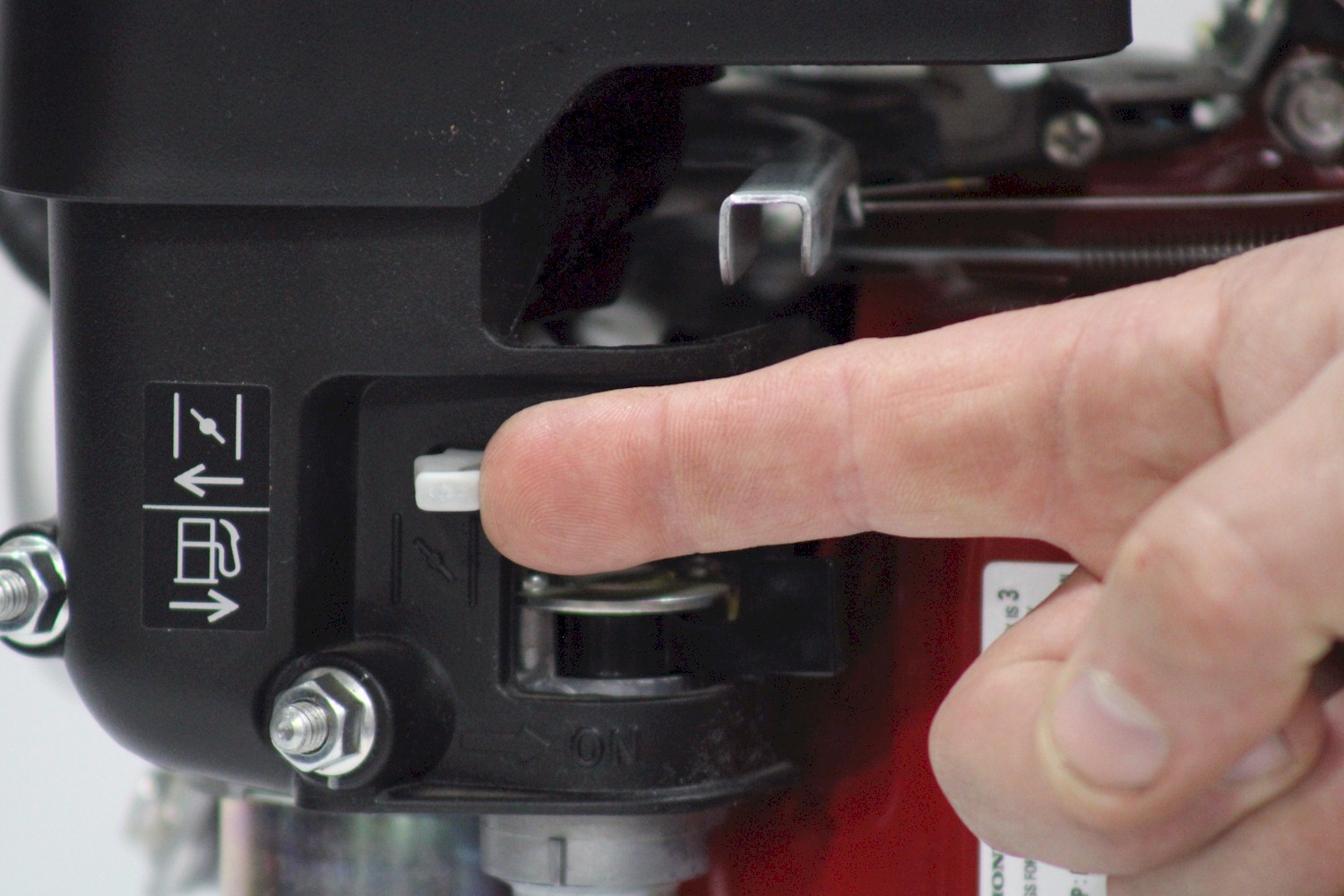 |
If engine is cold or has not been running turn Choke to on position
This is the middle lever. Facing the engine, choke ON is to the left This step is not generally necessary for a engine that has warmed up and turned off for only a short period of time |
Step 4
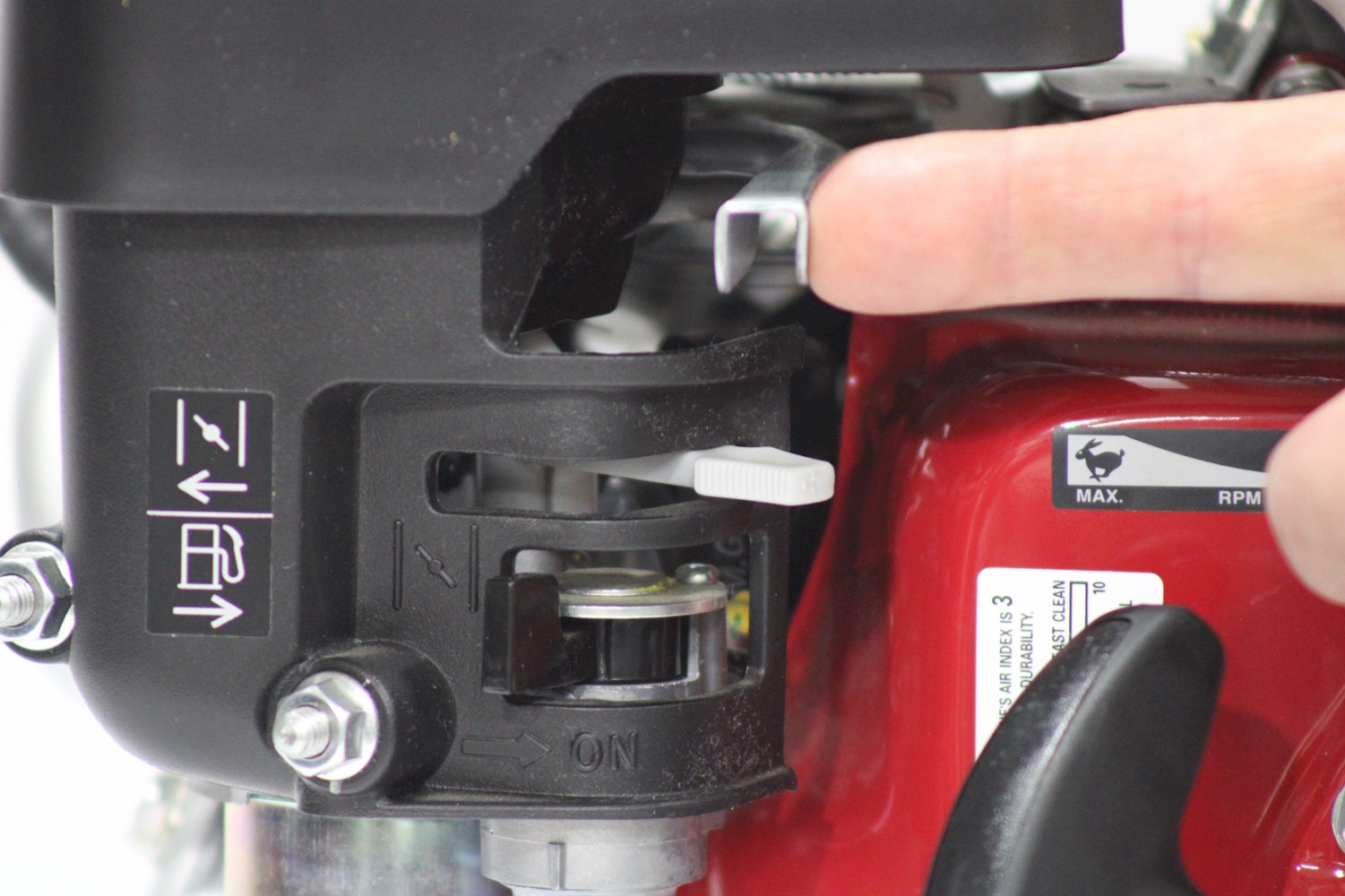 |
Make sure engine is at full throttle
This is the top lever. When facing the engine Full throttle is towards the left. Some units have this function fixed at a set level for proper operation. So don’t try to force the lever if it doesn’t move easily A few notes on this one |
Step 5
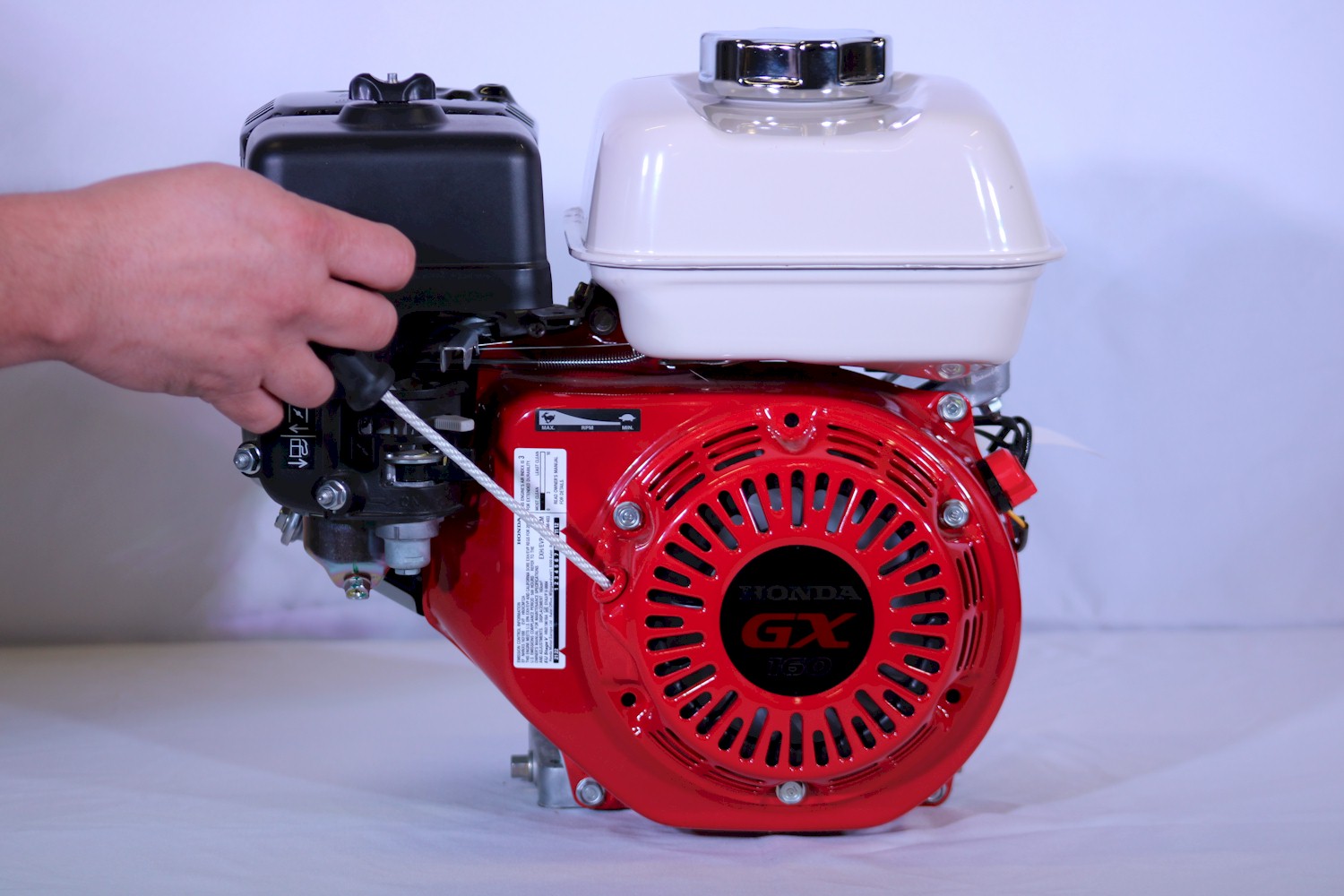 |
Pull recoil, repeat if necessary.
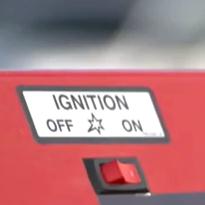
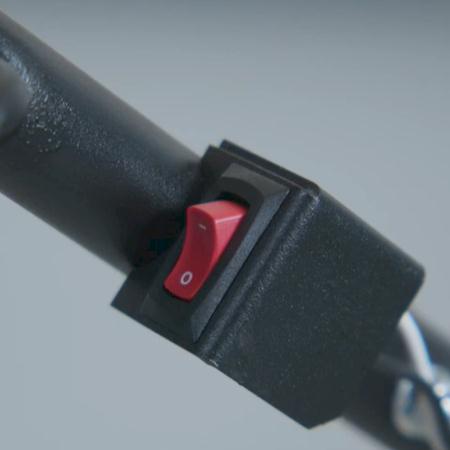
Most of the engines in our rental fleet start after only a couple of pulls, if it does not, double check the items in steps 1, 2, and 3. This is also the point where you should verify that if there is a 2nd on/off switch on your particular unit that it is in the correct position. Yep they both need to be on. |
Step 6
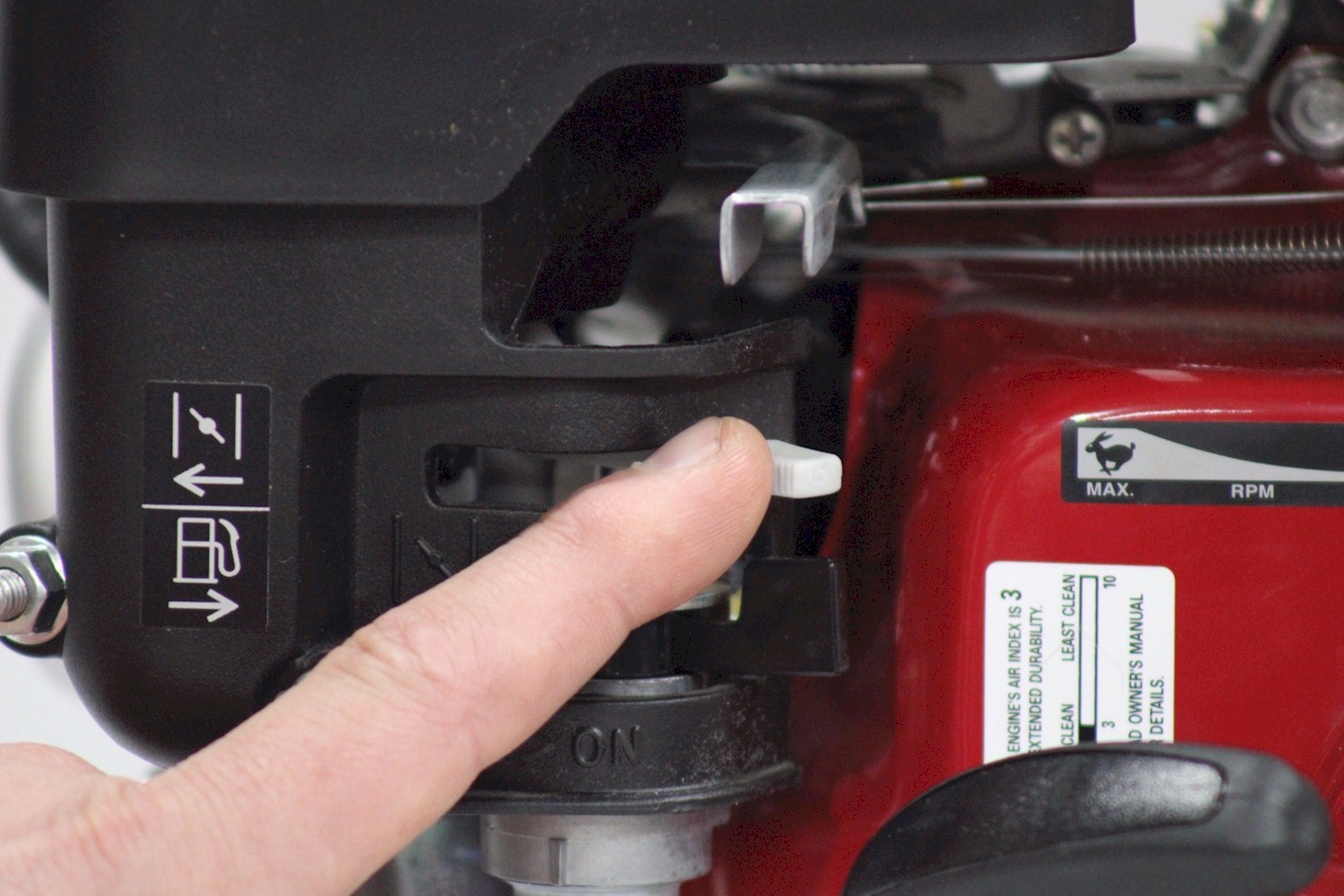 |
If choke was used slowly turn the choke lever to the Off/Run position once engine starts
Again its the middle lever. Choke Off is to the right. Yeah, they all made it complicated here too. Wouldn’t it be nice if the run position on every lever was pointed the same direction but NO. |
Other Helpful Hints With Engine Running Issues
So you got home, fired your tool up, started the job at hand and then…..put put put.
Here are the most common reasons for engine running issues
 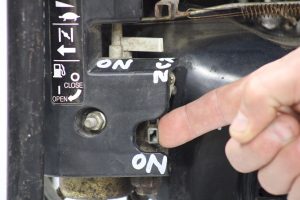 |
Check and make sure Fuel lever is turned ON
See Step 2 above. These engines can run upwards of 5 minutes with the fuel lever in the off position. Its an easy step to forget above but you’ll find out your mistake pretty quick.
|
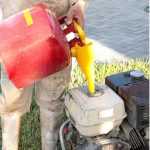 |
Check Fuel Level
Just like your car, these little guys need Gasoline to run as well. So if it’s not starting, particularly if it just randomly died after you have used it a little while. This is a great place to start, and don’t worry they will run on anything from regular to super it doesn’t matter. Just make sure that the fuel is fresh, bad or stale fuel that has been sitting around for a few months can create other problems. For everyone’s ease we do not track fuel in rental units with an under 5 gallon capacity. So no need to top it up prior to return and best of all no extra charge if you don’t. |
 |
Is the unit relatively level
Small Engines just like large ones are only designed to operate within a certain amount of tilt. Tilting an engine more than its designed to be able to that can effect both proper carburetor function, and potentially trigger shutdown from a low oil safety |
Last things to remember
Keep these items in mind, when turning off and returning your unit
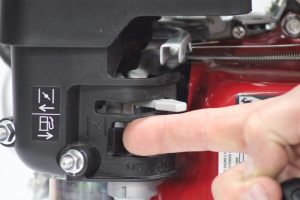 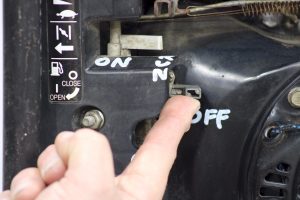 |
Make sure Fuel lever is turned OFF for transport. Lever in opposite position of Step 2
This will prevent possible engine flooding and hydrolock problems, and allow for easy starting if its a unit that needs to be restarted for unloading. You really don’t want to try to physically pick up that big roto-tiller that you just rented, or have that trencher become a trailer ornament. |
 |
Clean your unit off
OK- We know this isn’t engine related but if you have read this much and are trying to do your due diligence, we would be remiss not to remind you. We already have enough dirt here, so we ask that you keep your own. I know its not as catchy as “please be kind rewind” but to get that deposit back its still what you want to do. |