
We often get asked what is the difference between a Frame and pole tent and why would I want one over the other.
Here we are going to try to simplify that question for you and help you decide what option is better in your situation.
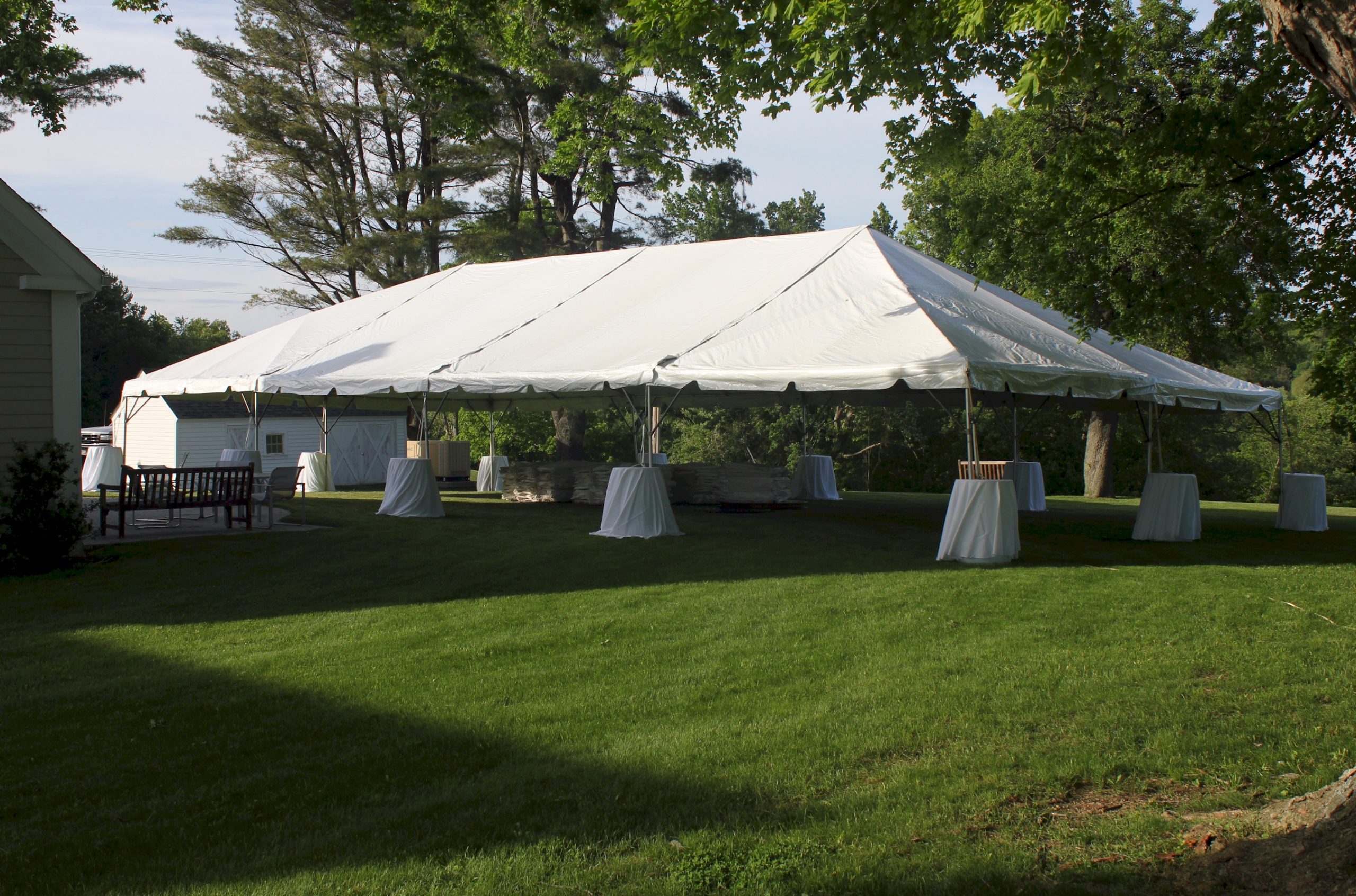
Frame Tents
With frame tents a structural frame is assembled on the ground. The canvas (or top in simple terms) is then pulled over the framework. This entire assembly is lifted into the air and legs are placed underneath it to get the final height. Finally, the whole tent is secured to the ground.
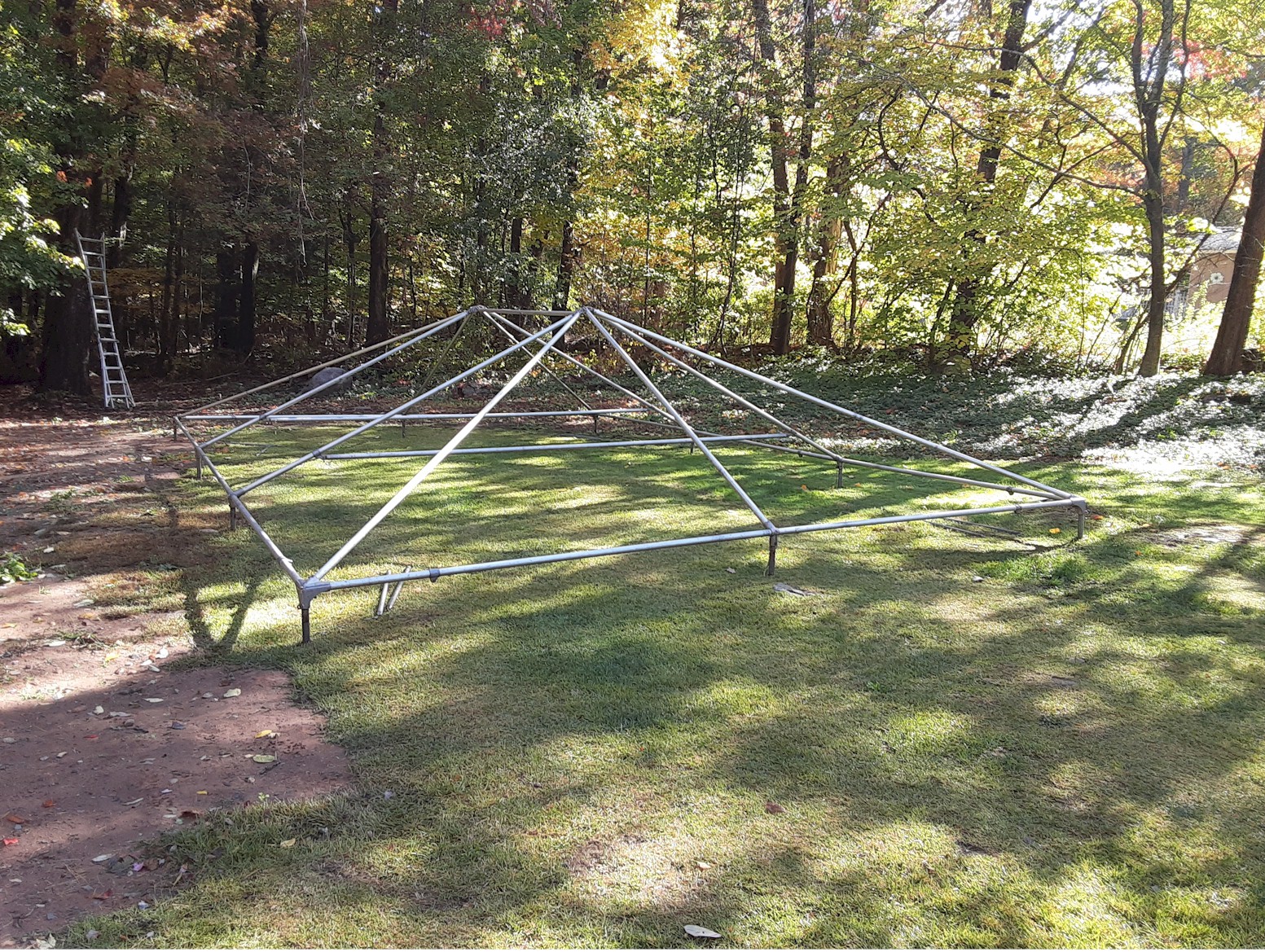
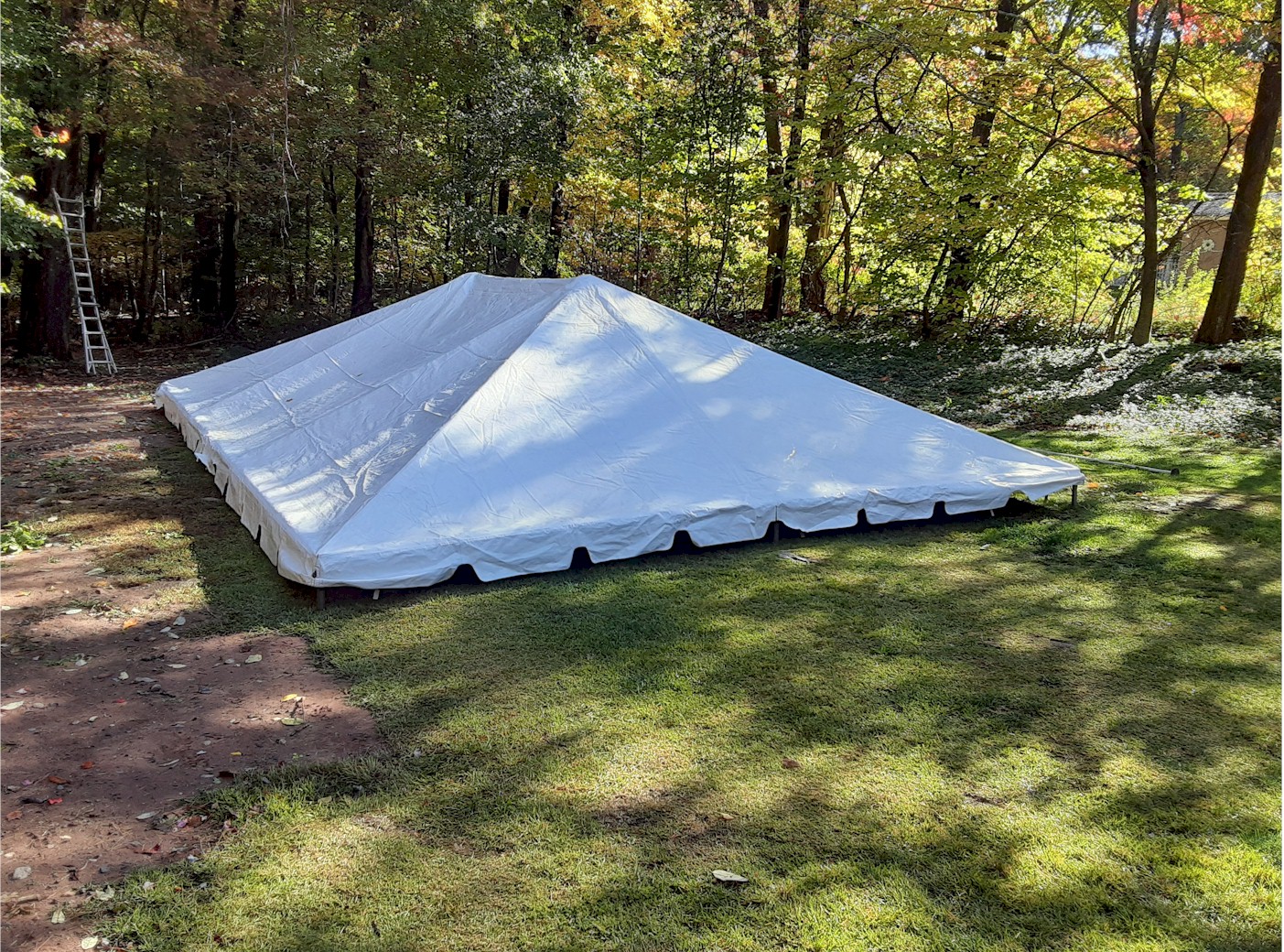
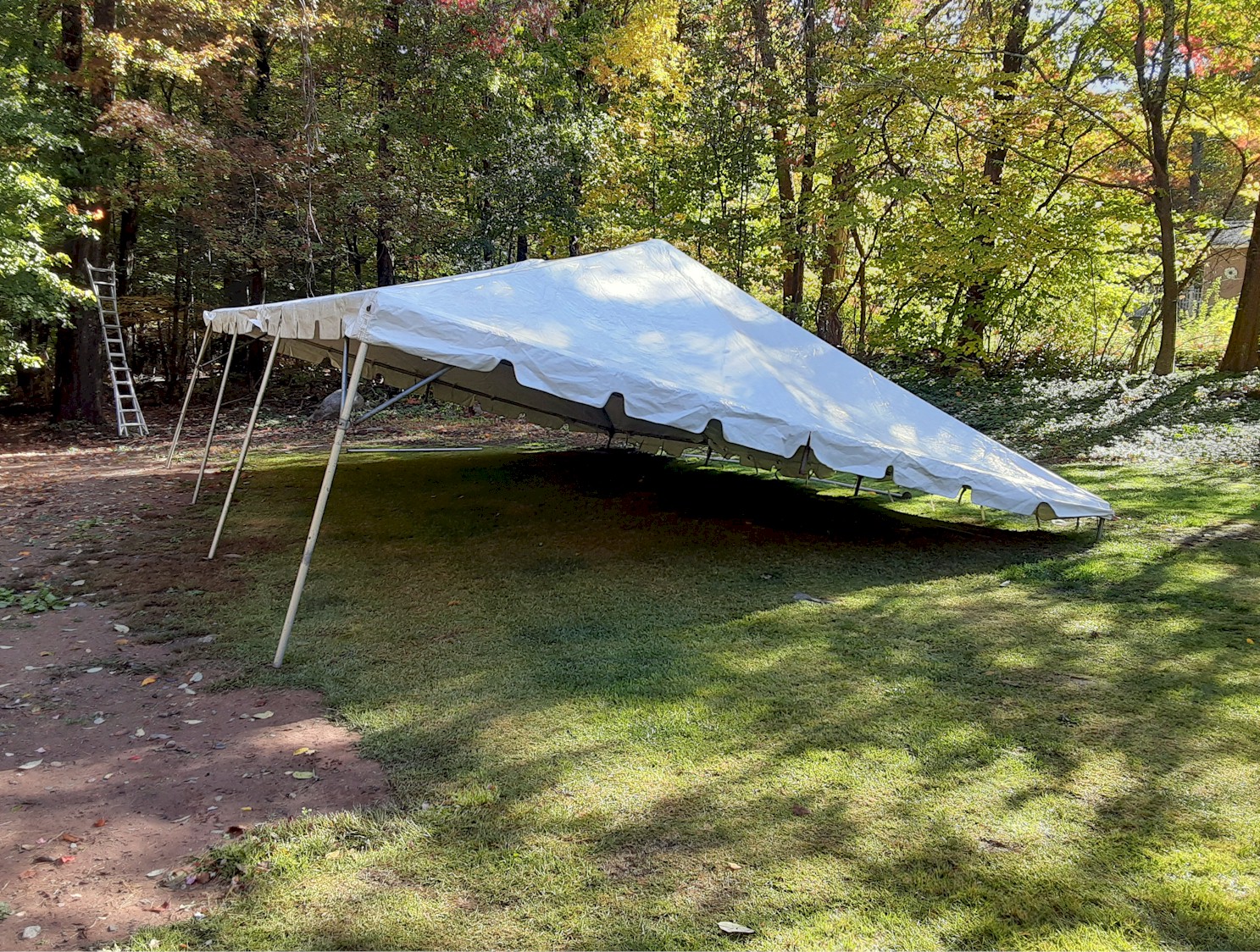
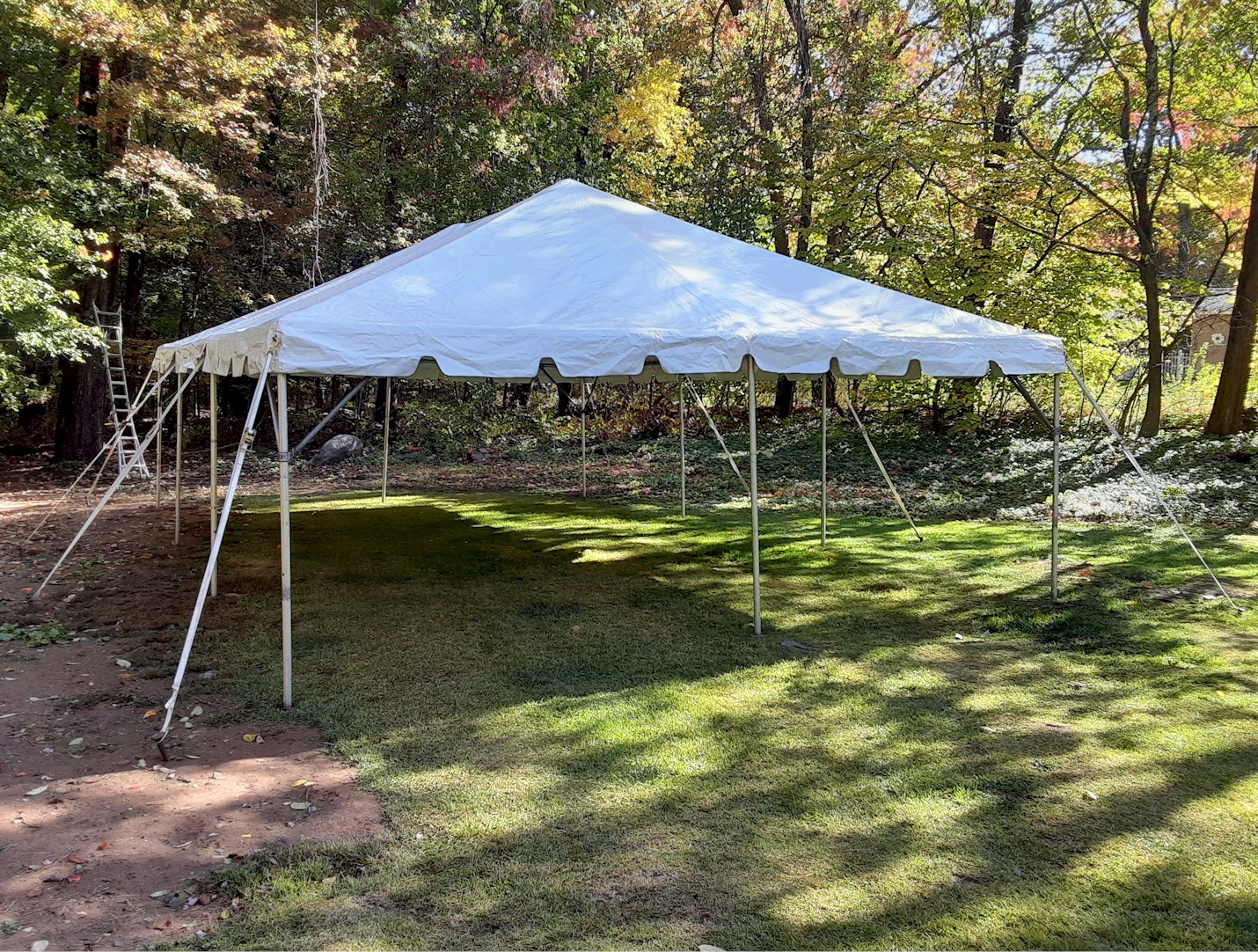
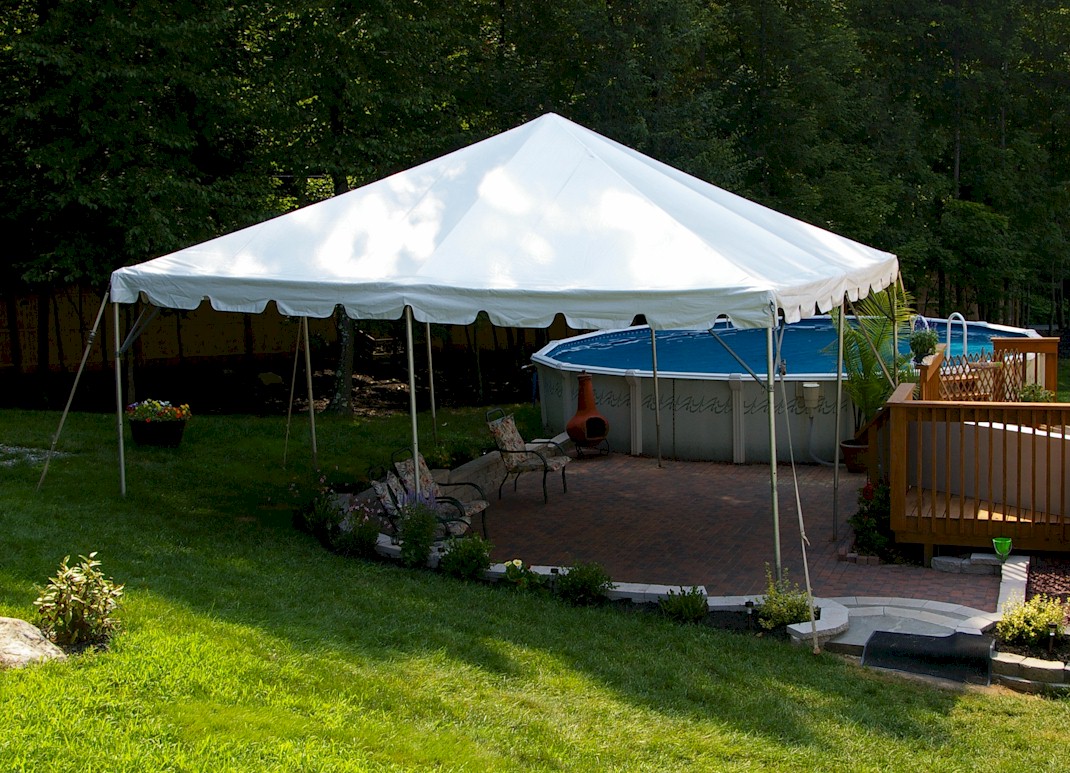
There are a number of advantages to frame tents, and it is for these reasons that all of our smaller installed tents (30×30 and under) are only carried in the frame tent option.
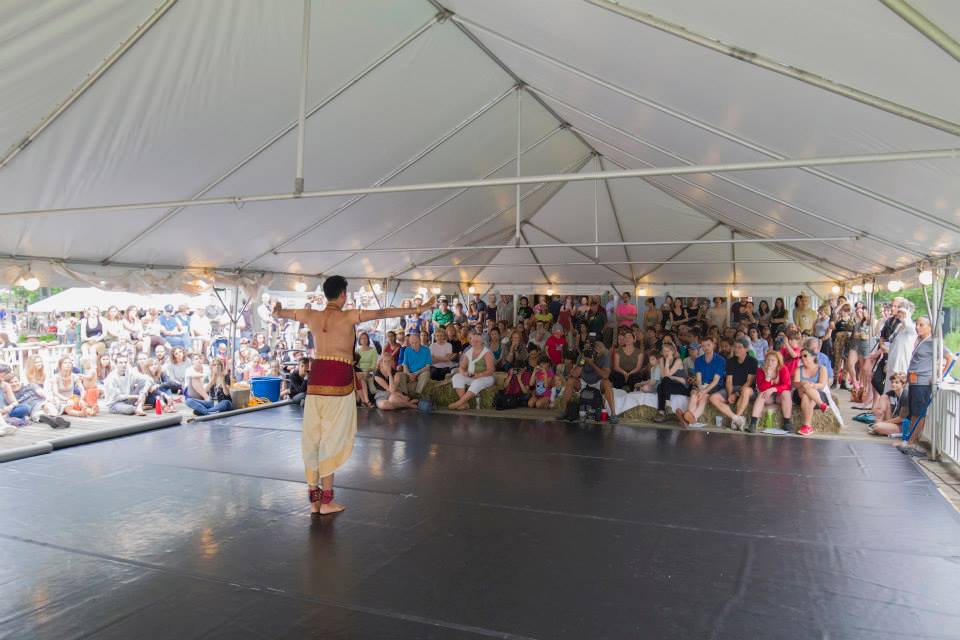
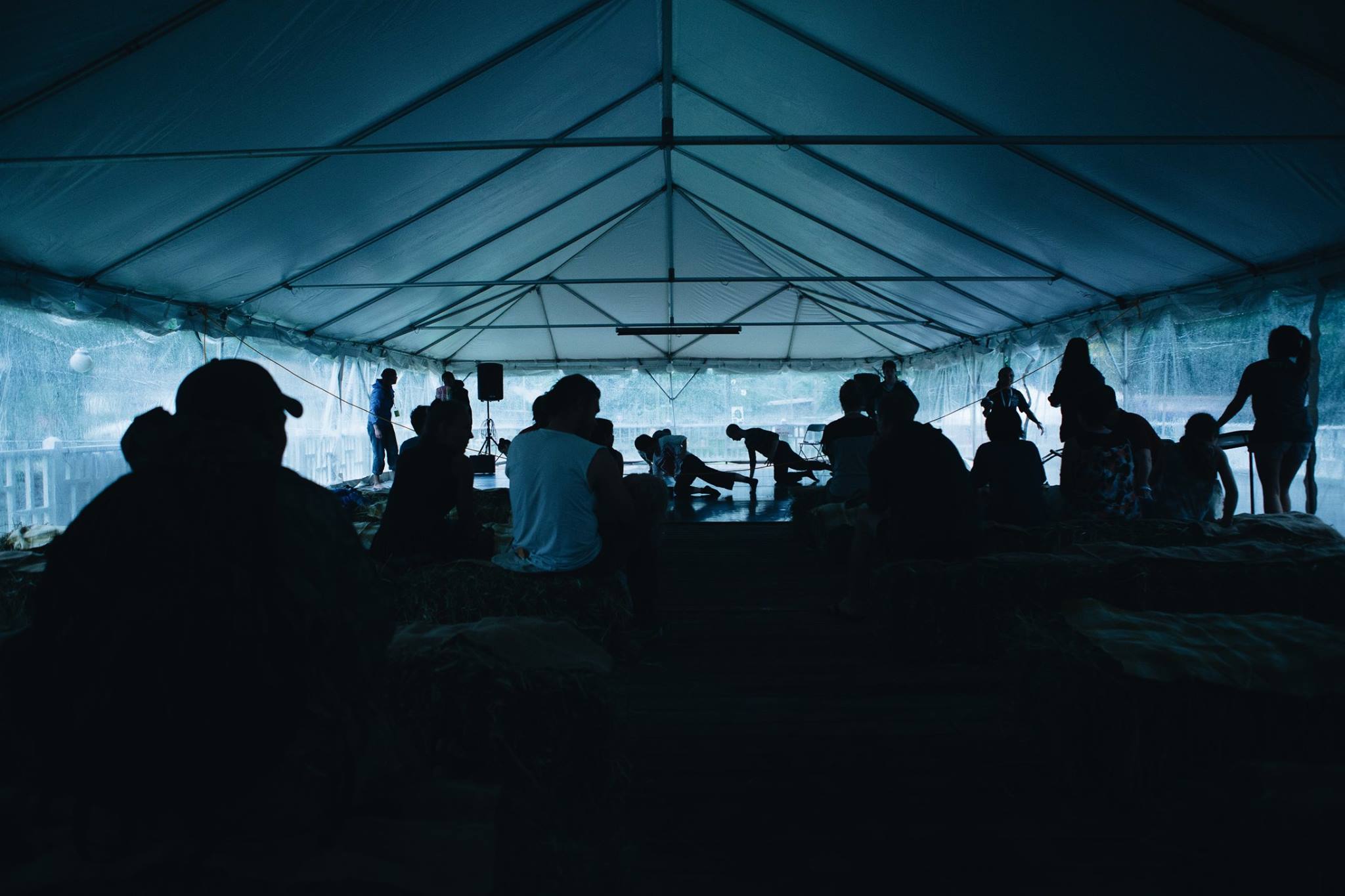
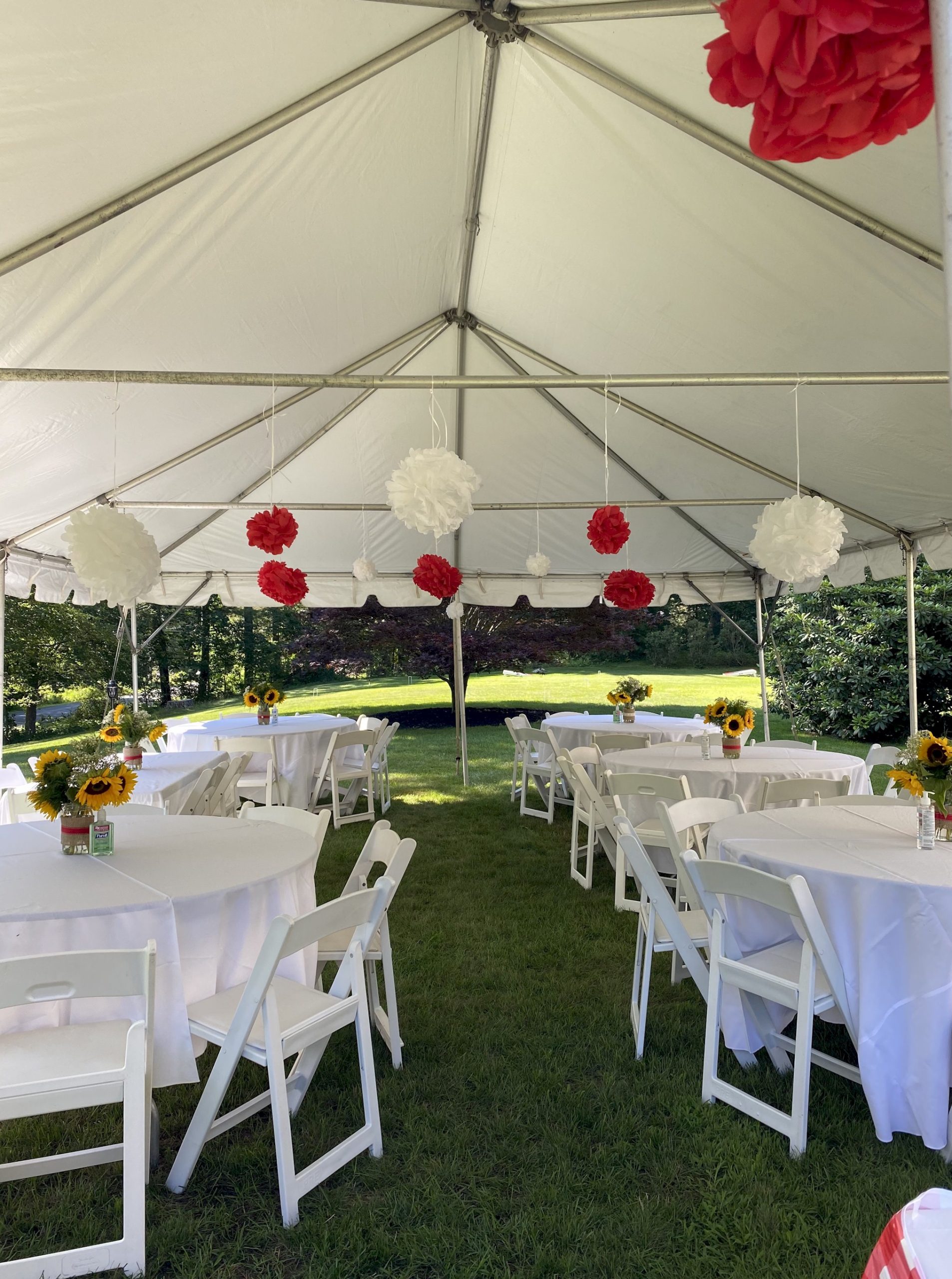
-The inside of these tents is wide open. This allows for more possibilities in under tent setup as there aren’t center poles to have to work around.
-The staking or securement of these tents is for the sole purpose of keeping the tent in place and on the ground, stakes are not needed for the tent to “stay in the air”. Because of this not as many stakes are needed as are on pole tents.
-Stakes on frame tents have a larger “zone of placement”. This means that we can pull them tighter into to the tent or further way if needed. Stakes can often be jockeyed sideways to avoid obstacles either above or below the ground.
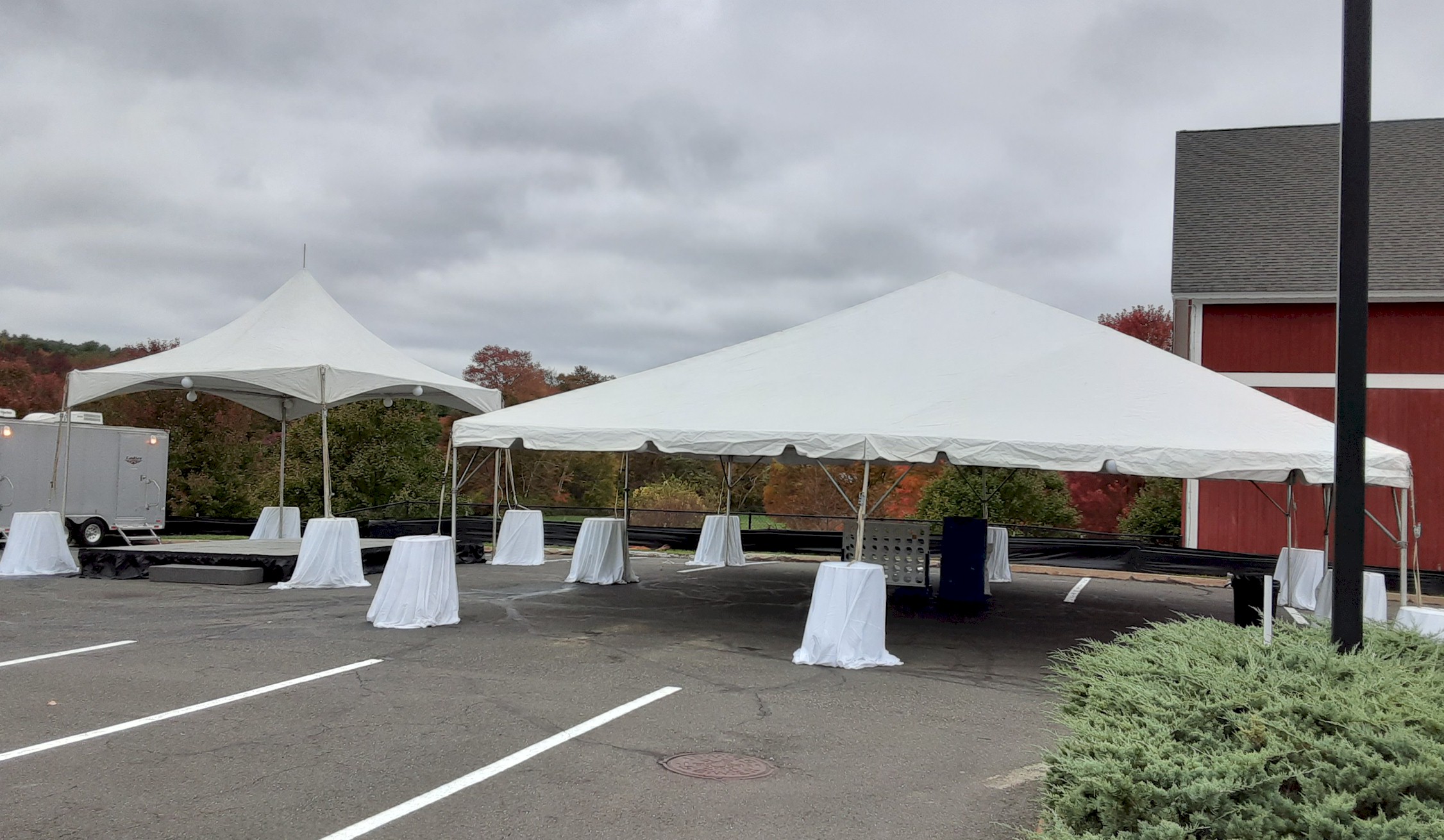
-As a last resort these tents can also be weighted. So, if ground penetration is not possible across all or part of the tent because of underground utilities, patio surfaces, or asphalt that cannot be drilled through, different types of weights can be used to substitute.
-Frames can be placed in much tighter areas than a pole tent can be. This is in due to the nature of how this type of tent is erected and the additional flexibility of ground securement.
-Frame tent can also be setup on surfaces that are more unlevel than a pole tent can be. Legs are height adjustable on these tents to allow for use in places where “that corner just dives off” or the area it pretty flat but one edge slopes off more substantially.
There are a couple of tradeoffs when using a frame tent:
-Once you step above the 30×30 size, frame tents do become more expensive for the equivalent tent size than poles. This is due to the increasing added cost of the hardware involved and the increased labor required for installation.
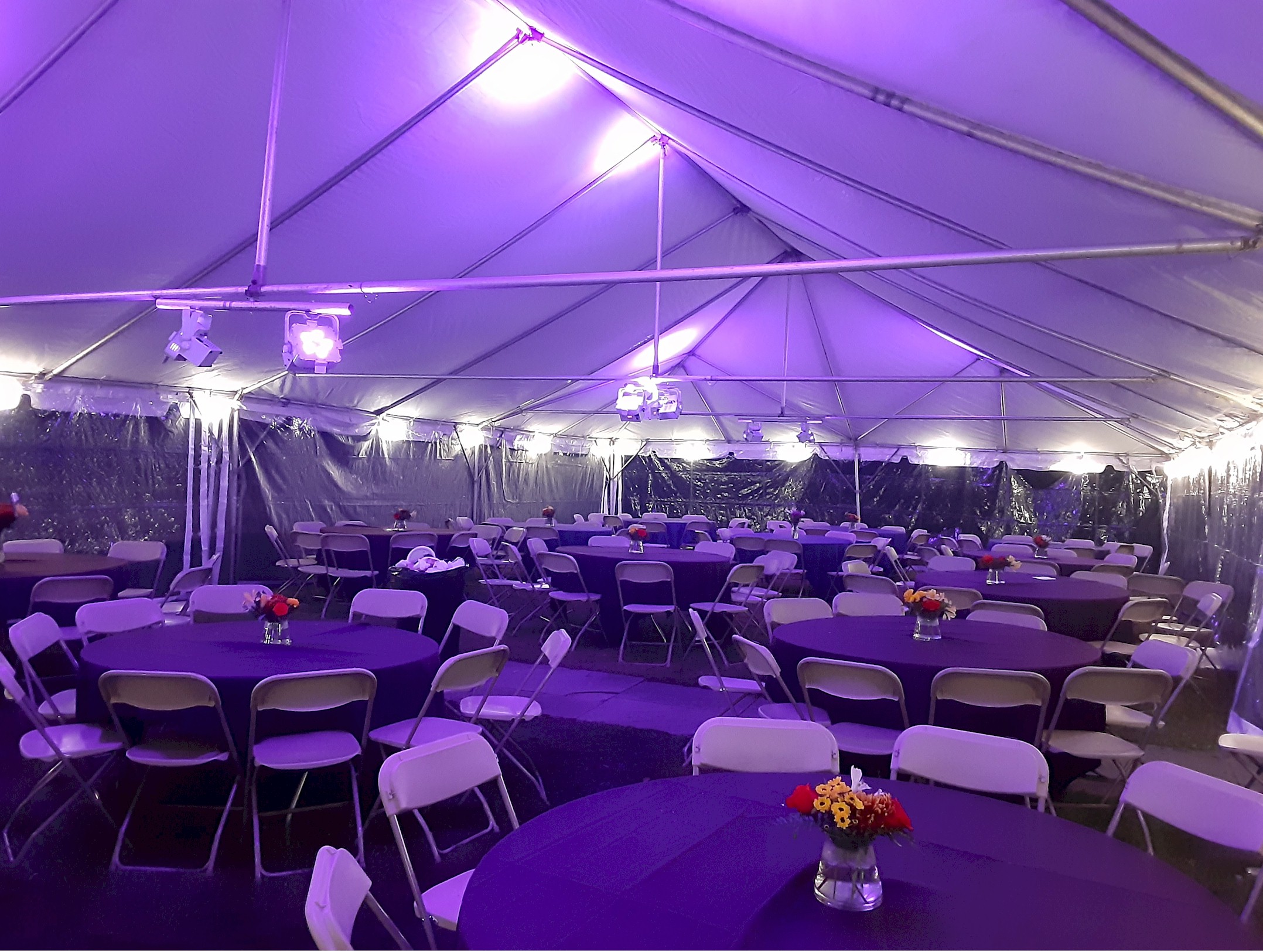
-The other con to the frame tents is that do to their nature, from the inside of the tent, all of that framework is visible. While liners are an option and are made to help with the visual aspects of this, they are extremely expensive often running 2-3 times the cost of the tent itself.
Pole Tents
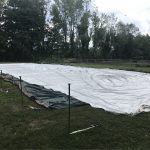
Pole Tents are setup and installed very differently. First, drop cloths are laid on the ground, and the tent top is rolled out on them. The tent is then stretched to its full size. Stakes are then driven into the ground. Once the stakes are all driven to the ground the perimeter legs are setup to raise the edge of the tent to height. (This is the point in time where we always make jokes about this is where you wanted your new swimming pool, right? And also, why we try to avoid setting up these tents in the rain.) Then the center poles are installed, bringing the tent to height. Finally, we go around the outside edge straightening up edge poles and re-tensioning the stake lines. It is this tension between the center poles, side poles, and stakes that actually keep this tent in the air which is why more stakes are needed with these. With pole tents their advantages are big and simple, aesthetics and cost.

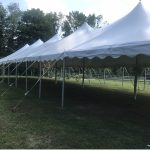
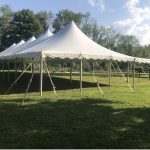
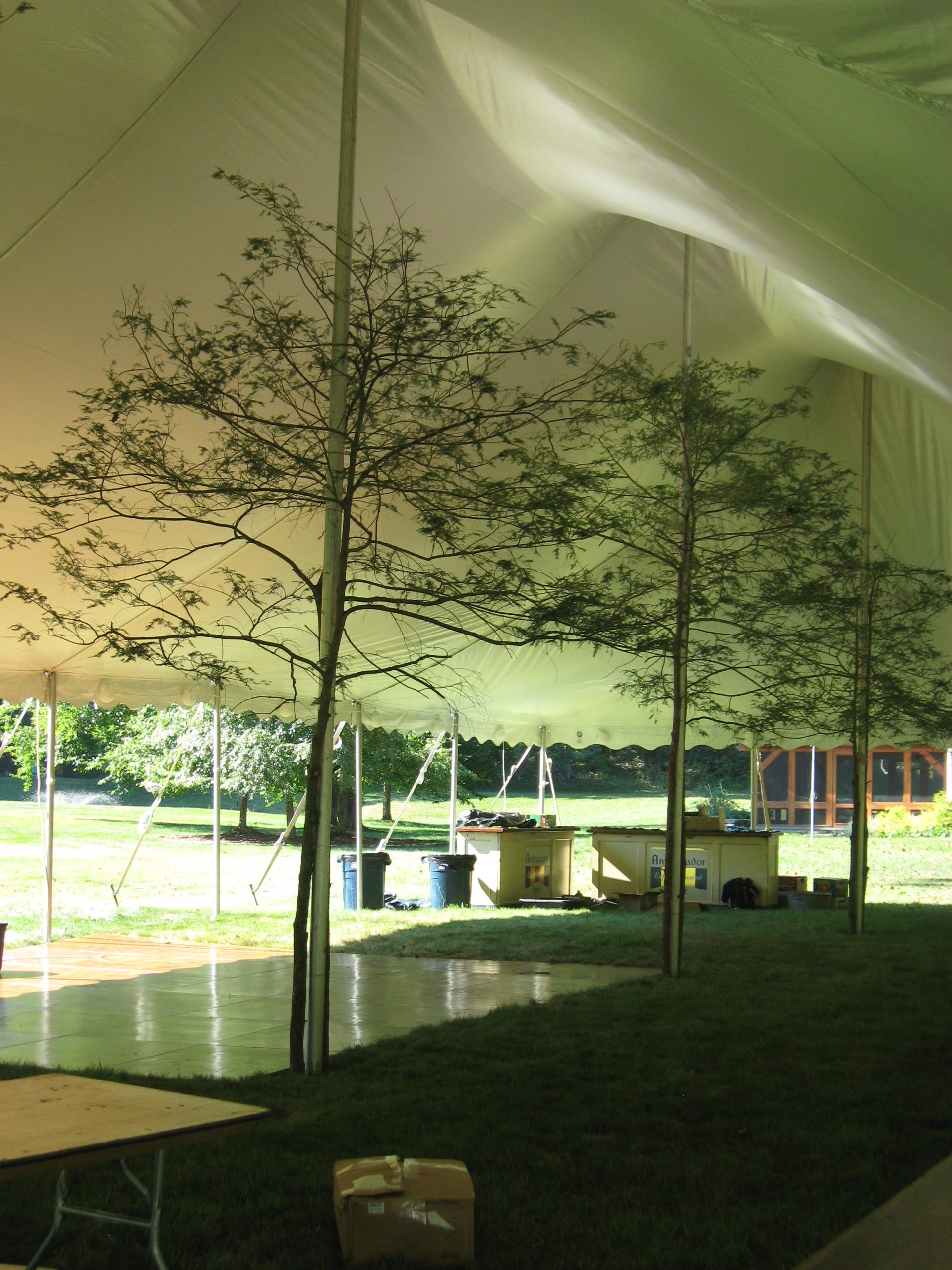
-Without all of the associated hardware involved pole tents provide a much cleaner and much more elegant look. All of our standard pole tents are what are generally referred to as “century style” providing swooping elegant top lines, with nothing in the ceiling of the tent. The only visual obstruction in these tents are the center poles which can go unnoticed or can be inexpensively covered by you, the florist, or us if you wish.
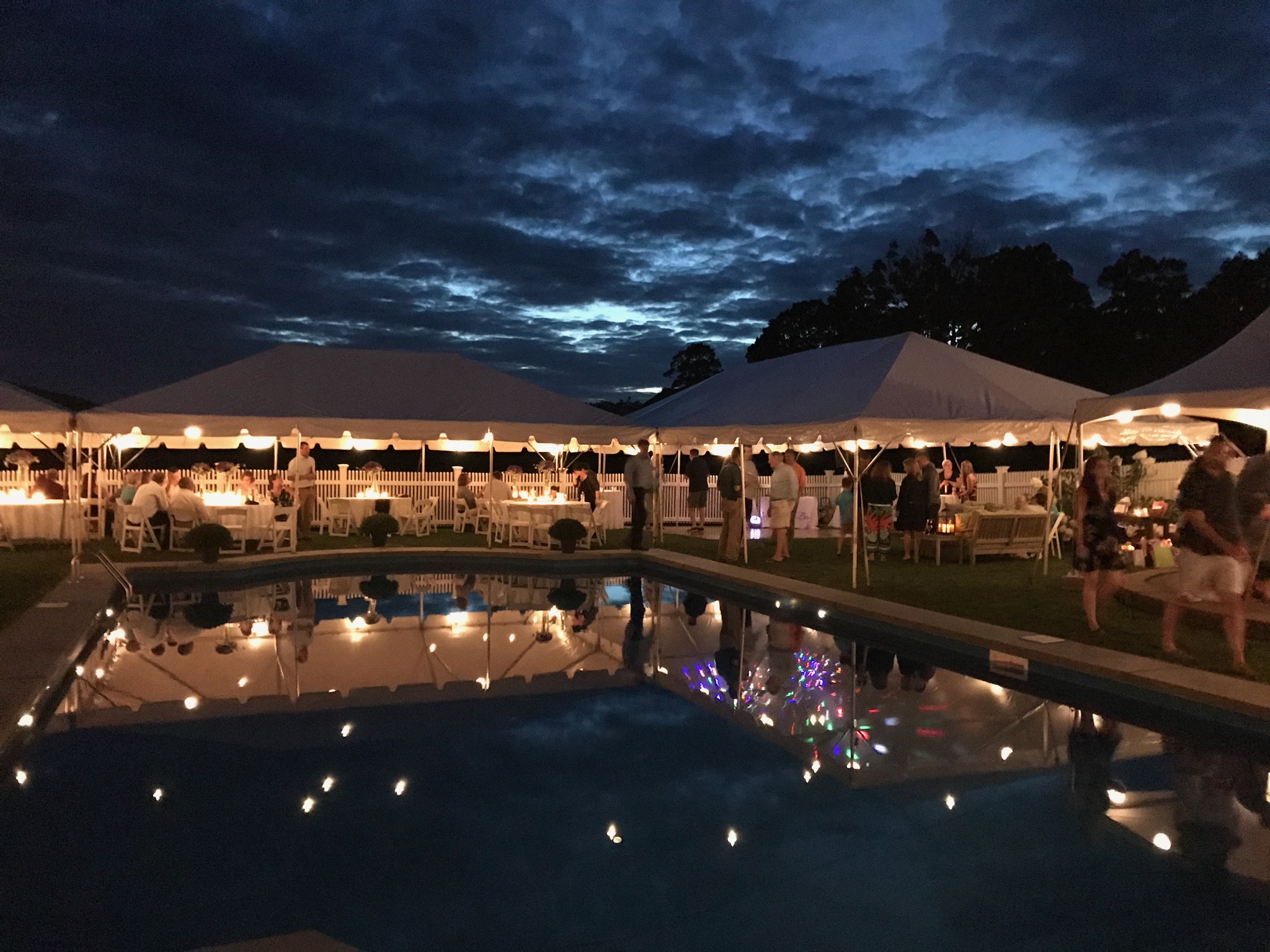
-Because of this “blank canvas” you have more lighting options beyond just perimeter globe lighting. Bistro style lights are very popular and give additional depth to the inside of the tent.
-As mentioned above these tents are less expensive per square foot of tent helping to keep whole event and rental costs lower.
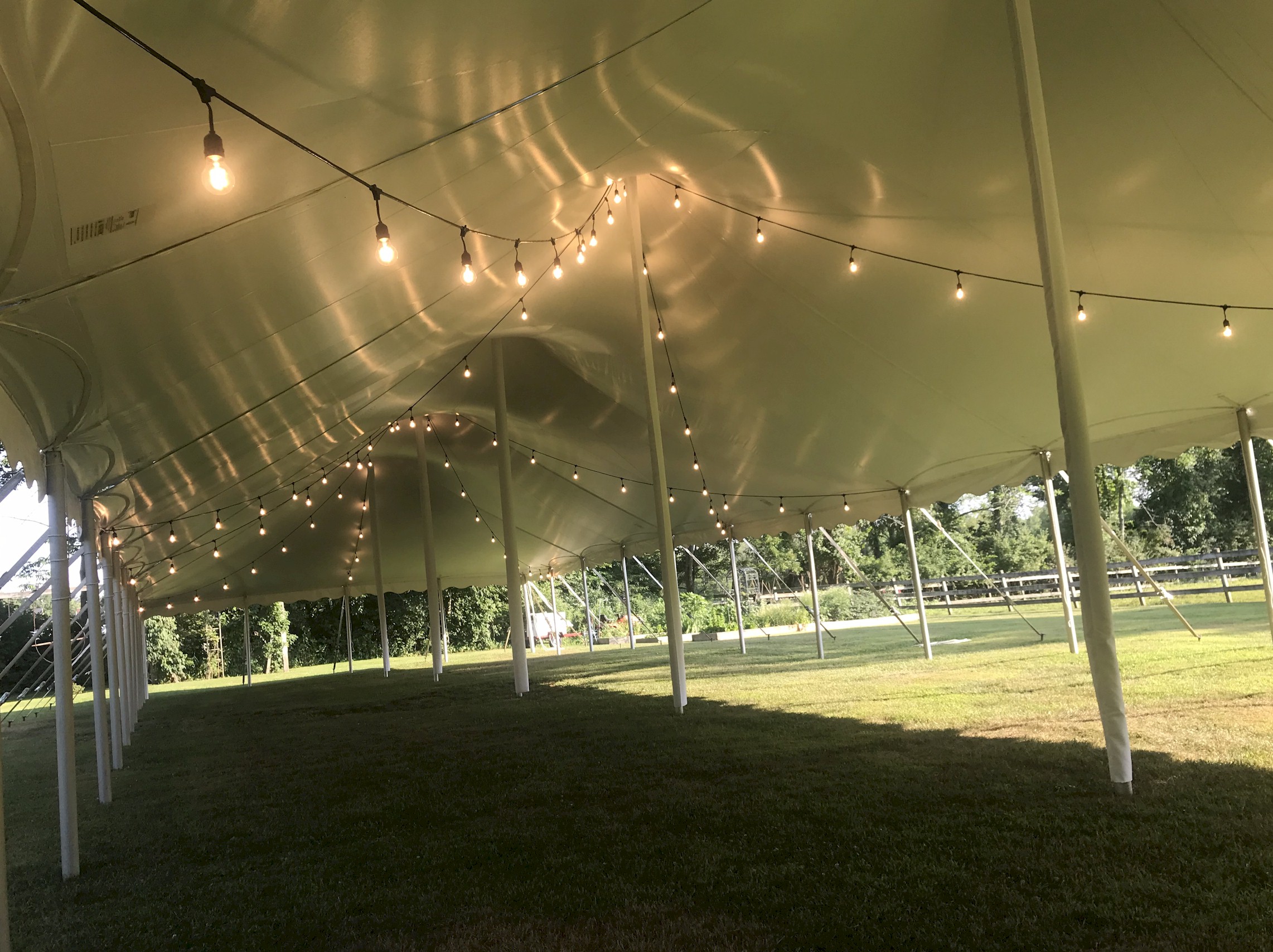
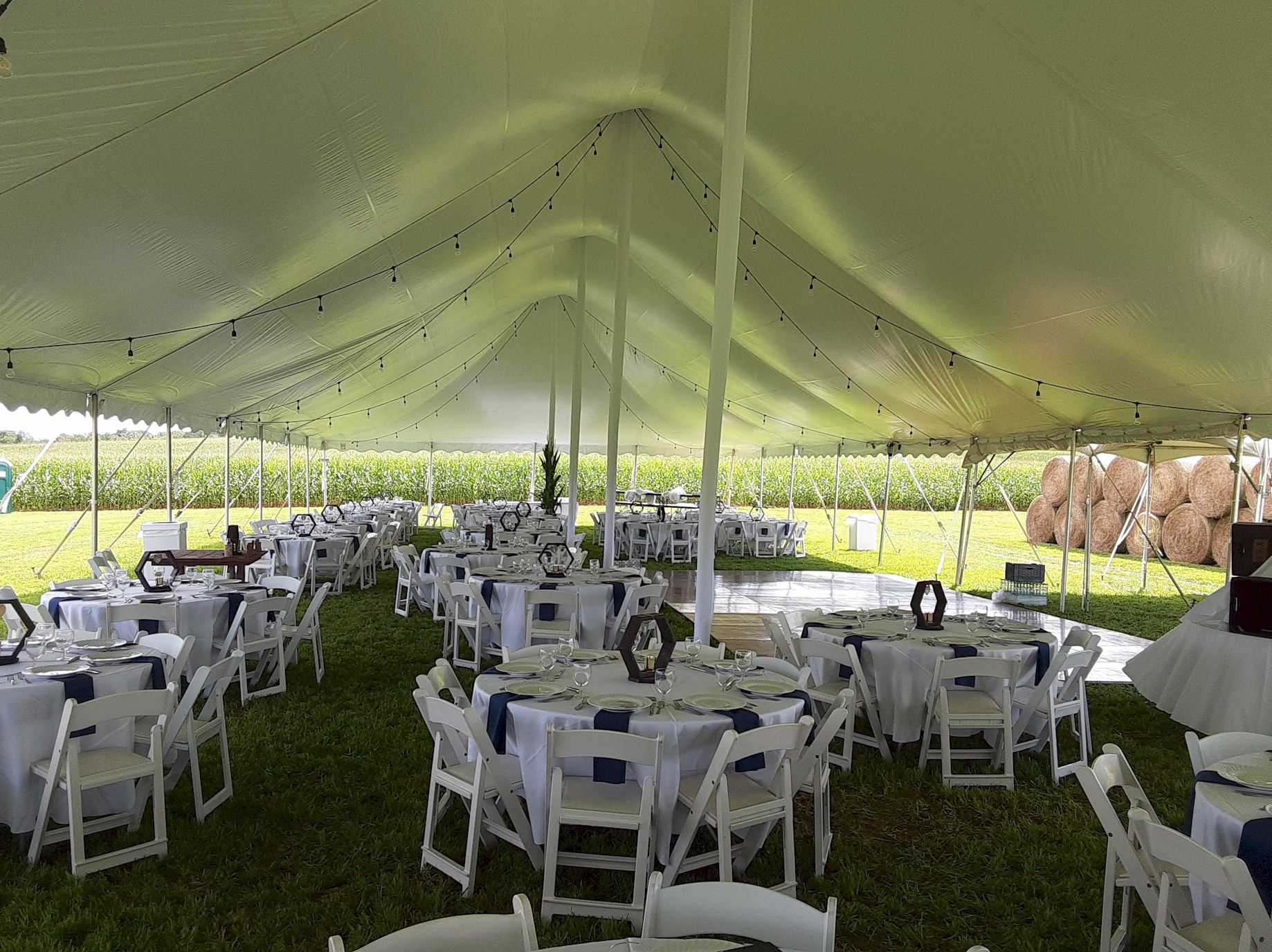
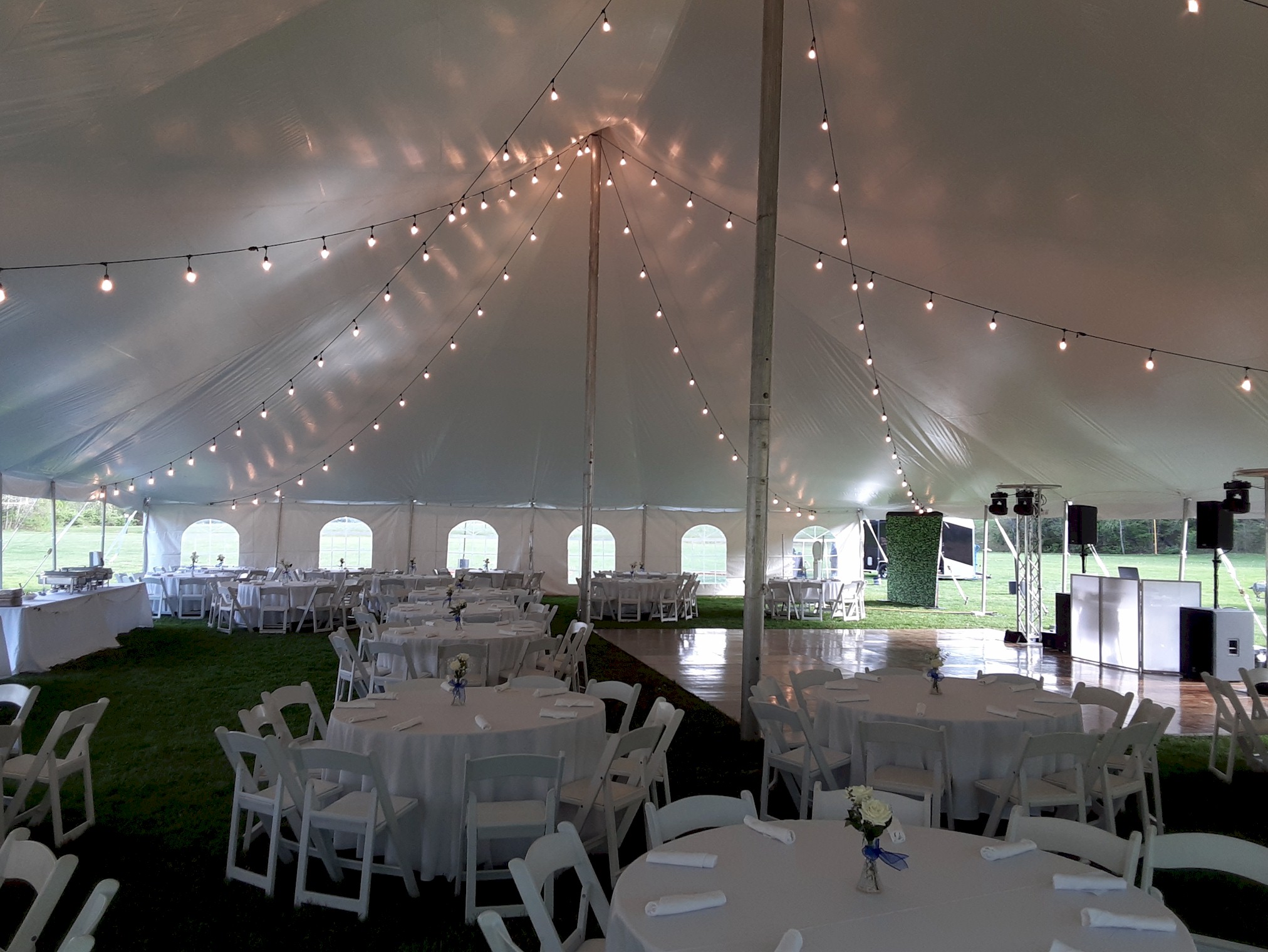
The drawbacks? I don’t like to refer to them as cons because in many applications these points are not items that are either of concern or play a relevant factor in deciding what tent to use.
-Pole tents need to be staked. The amount of weight that would be required to be brought in at each tie point to sufficiently keep a pole tent in the air would be cost prohibitive.
-Stake placement has to be at a relatively set distance from the edge based on the size of the tent and height of the edge legs, at very specific intervals all the way around, making obstructions more difficult around at times.
-Pole tents want relatively flat ground for installation on. Notice we didn’t necessarily say level. Installation on a grade is not overly problematic, where severe undulations can be.
-Lastly center poles have to be taken into consideration when figuring out under tent layouts. All of our tenting through 60’ widths have a single center pole run down the middle of the tent, which means less poles in your way. Most center poles are spaced at half your width down the middle (30’ wide- every 15’, 40’ wide- every 20’, 60’ wide- every 30’)
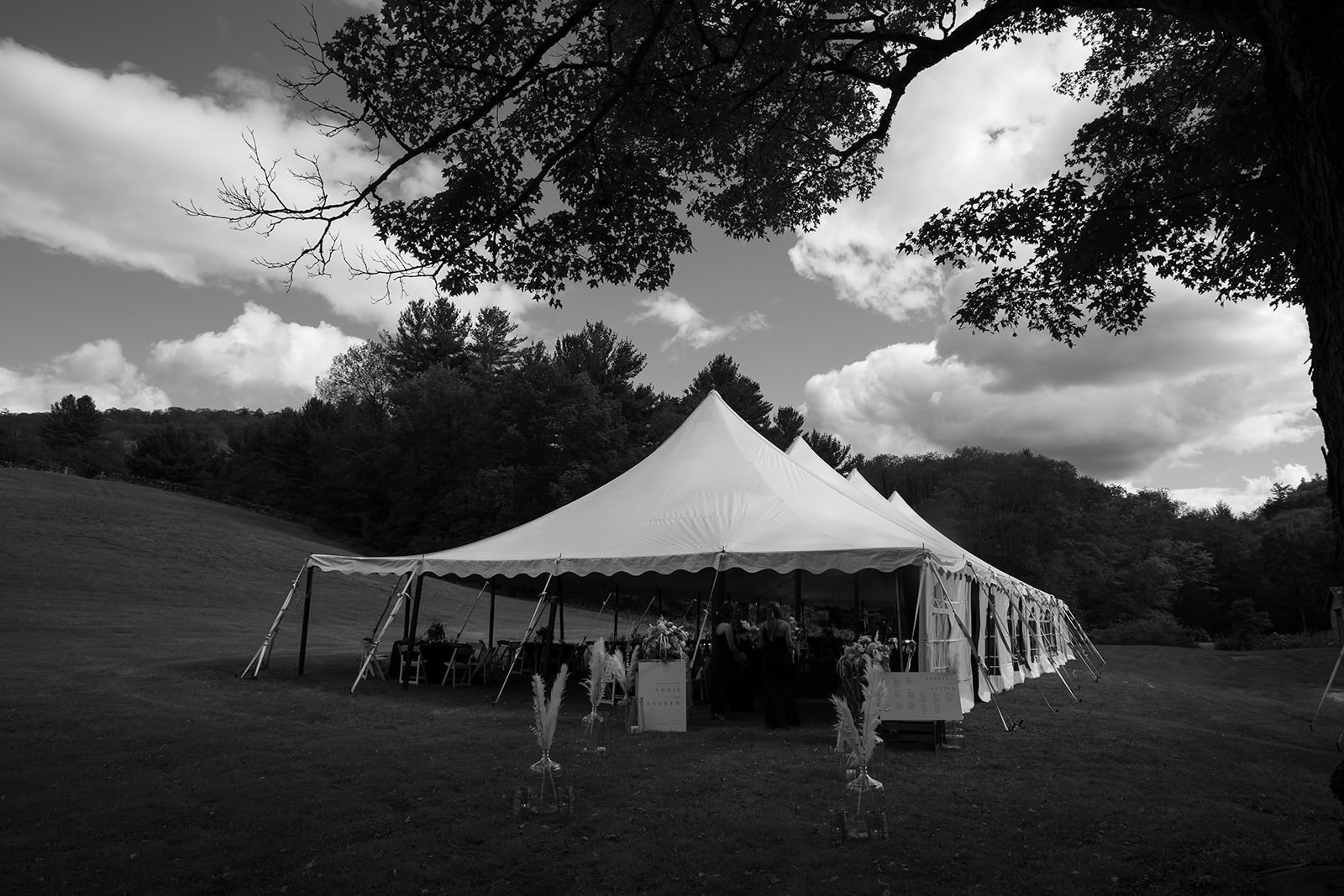
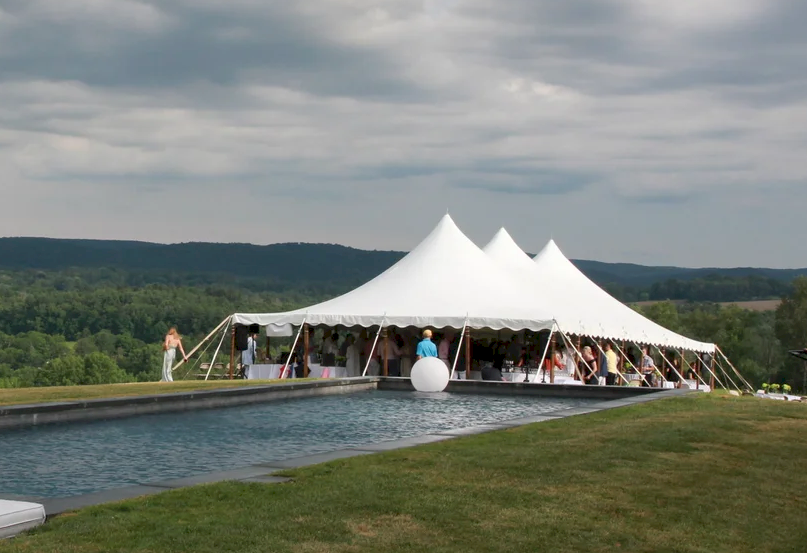
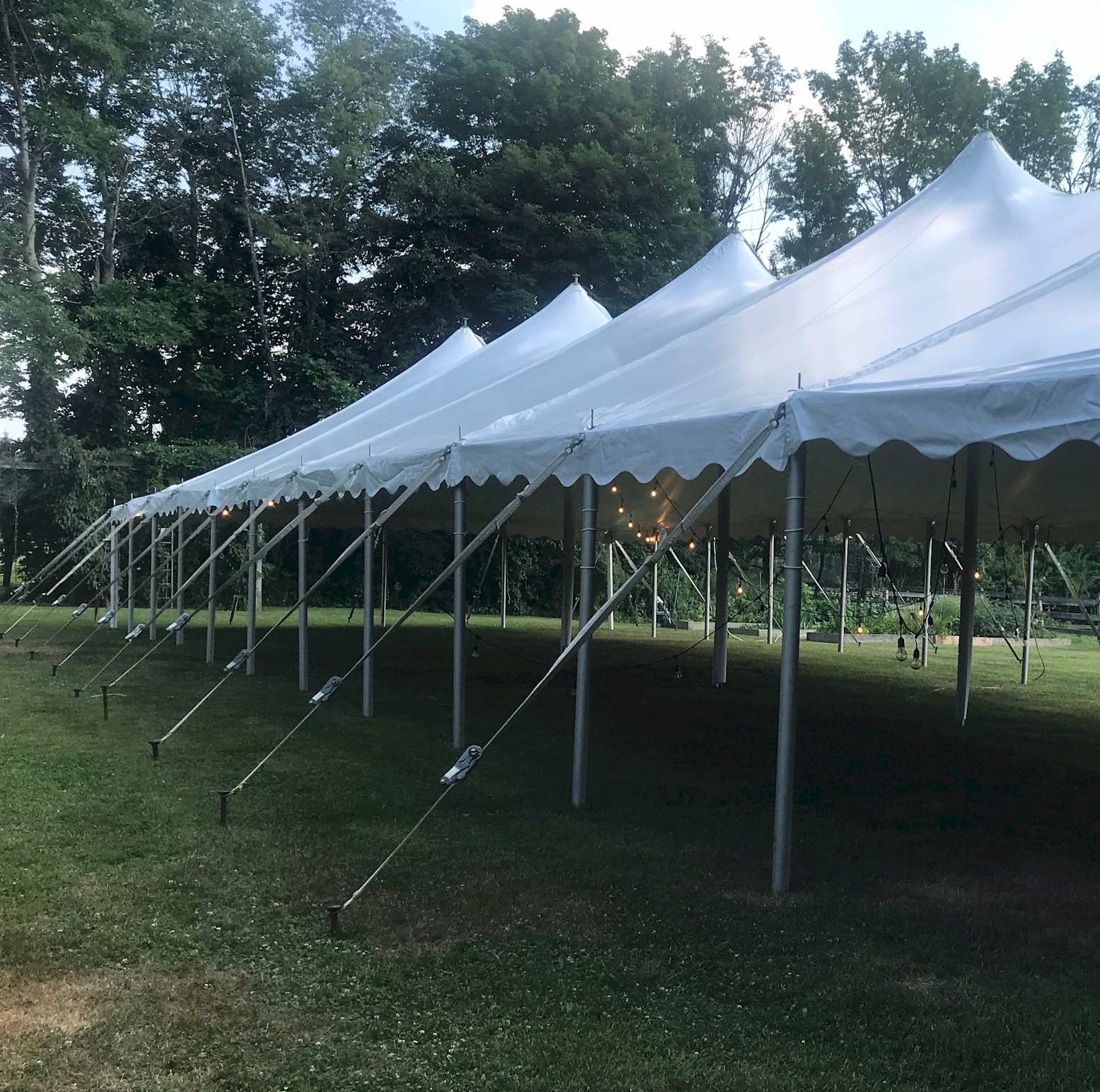
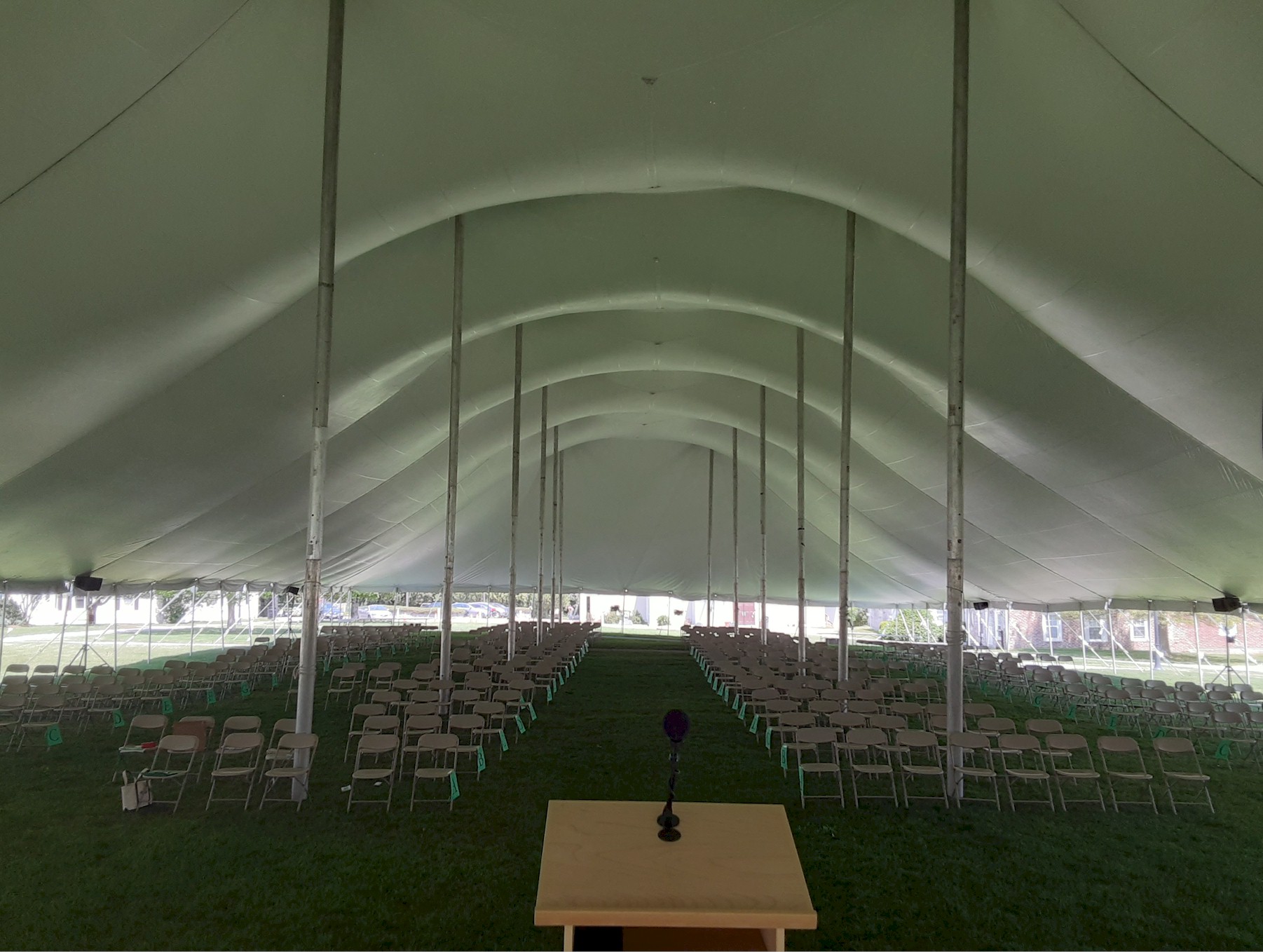
We hope this helps show the differences between these 2 popular tent styles and helps you figure out which tent is best for your specific event. Still unsure? We would be happy to talk with you about your specific needs and help you find the best one for your event!